

Imagine seeing some of the world’s most famous art from home. With online exhibits and virtual museum tours, this dream is real. Over 2,000 museums and archives are now online, thanks to platforms like Google Arts & Culture. They offer a huge variety of art and historical items for you to explore.
I’m excited to show you the amazing world of virtual museums. You can see the Vatican Museums’ Sistine Chapel, check out the Louvre’s special themes, or walk through the Uffizi Gallery’s Botticelli rooms all from your screen. For more tips on the best virtual museum visits, check out Travel & Leisure’s guide on museums with virtual tours.
Key Takeaways
- Explore over 2,000 museums and archives on Google Arts & Culture.
- Many world-renowned museums offer virtual tours on their websites.
- Enjoy high-resolution images and 360-degree views of famous artworks.
- Discover new artists and historical artifacts from the comfort of your home.
- Access curated online exhibits and behind-the-scenes museum views.
What Are Virtual Museums?
Exploring virtual museums opens up a new world of art. These online platforms offer a wide range of artworks, artifacts, and cultural exhibits from all over the globe.
Definition and Concept
A virtual museum is like a digital gallery where you can see and interact with exhibits online. It uses virtual reality to bring the museum experience to your screen.
Virtual museums have grown a lot over time. They’ve moved from simple online collections to full, immersive experiences that feel like a real visit.
History of Virtual Museums
The idea of virtual museums started in the early 1990s. Back then, museums just had basic websites with info about their collections.
As technology improved, museums could create more advanced online spaces. Now, they offer virtual reality museum tours that are more engaging and interactive.
| Year | Development |
|---|---|
| 1990s | Museums establish basic online presence |
| 2000s | Online collections and exhibitions become more prevalent |
| 2010s | Virtual reality technology starts to be integrated into museum websites |
Advantages of Exploring Art Online
Looking at art online has many benefits, like accessibility and convenience. I can see artworks and exhibits from home, anytime I want.
Also, online museums let me discover new art and artists I might not have found elsewhere.
My Top Picks for Virtual Museums
I’m excited to share my top picks for virtual museums. They showcase the rich tapestry of art and culture. Now, you can explore masterpieces from around the globe without leaving home.
These virtual museums are perfect for art lovers and history buffs. They offer an immersive experience that’s both fun and educational. Let’s explore some of the most remarkable virtual museums online.
The Louvre: A Treasure Trove of Art
The Louvre is a must-visit for anyone interested in art and history. It has a vast collection of European art from the 13th to the 19th centuries. On its website, you can view high-resolution images of famous works like the Mona Lisa.
The British Museum: A Journey Through History
The British Museum is a digital gem. It offers a online museum experience with a collection spanning over two million years. You can explore ancient civilizations and see artifacts like the Rosetta Stone and mummies from Ancient Egypt.
For more insights, check out The Guardian’s guide to virtual museums. It highlights some of the most engaging online exhibitions.
The Smithsonian: Exploring American Heritage
The Smithsonian is the world’s largest museum complex. It includes 19 museums and galleries, plus the National Zoo. The Smithsonian’s virtual museum tours offer a wealth of information on American history and culture. You can explore exhibitions on topics like the history of flight and Andy Warhol’s art.
The Vatican Museums: Art and Spirituality
The Vatican Museums house some of the world’s most renowned art. Works by Michelangelo and Raphael are among the highlights. The Vatican’s virtual tours let you explore the museums’ vast collection, including the Sistine Chapel, without the crowds. It’s a unique museum experience online that lets you appreciate the art and spirituality of the Vatican from anywhere.
These virtual museums offer access to incredible art and an engaging experience. Whether you’re an art enthusiast or just looking to explore new cultures, these virtual museums will captivate and inspire you.
How to Access Virtual Museums
Getting into virtual museums is now super easy. We have many platforms and technologies to choose from. Many museums have moved online, giving us lots of cool experiences.
Platforms for Virtual Tours
Some platforms lead the way in virtual museum tours. Google Arts & Culture works with museums worldwide. It offers high-quality images and tours. Discovr and YouVisit also let you explore museums from home.
These sites have online exhibits that are easy to find and use. For example, Google Arts & Culture lets you check out exhibits from places like the Louvre and the Met.
| Platform | Features | Museums |
|---|---|---|
| Google Arts & Culture | High-resolution images, virtual tours | Louvre, Met, National Gallery |
| Discovr | Immersive experiences, 360-degree views | Various international museums |
| YouVisit | Virtual tours, interactive exhibits | Smithsonian, British Museum |
Navigating Museum Websites
Many museums now have virtual tours on their websites. Finding these tours is easy if you know where to look. Museums usually have a “virtual tour” or “online exhibit” section.
The British Museum website has a great virtual tour section. It lets you explore exhibits and learn about artifacts. The site is easy to use, making it simple to find and enjoy online content.
“The digital age has transformed the way we experience art and culture. Virtual museums have made it possible for people to explore and engage with cultural heritage in ways that were previously unimaginable.”
Using Virtual Reality in Museums
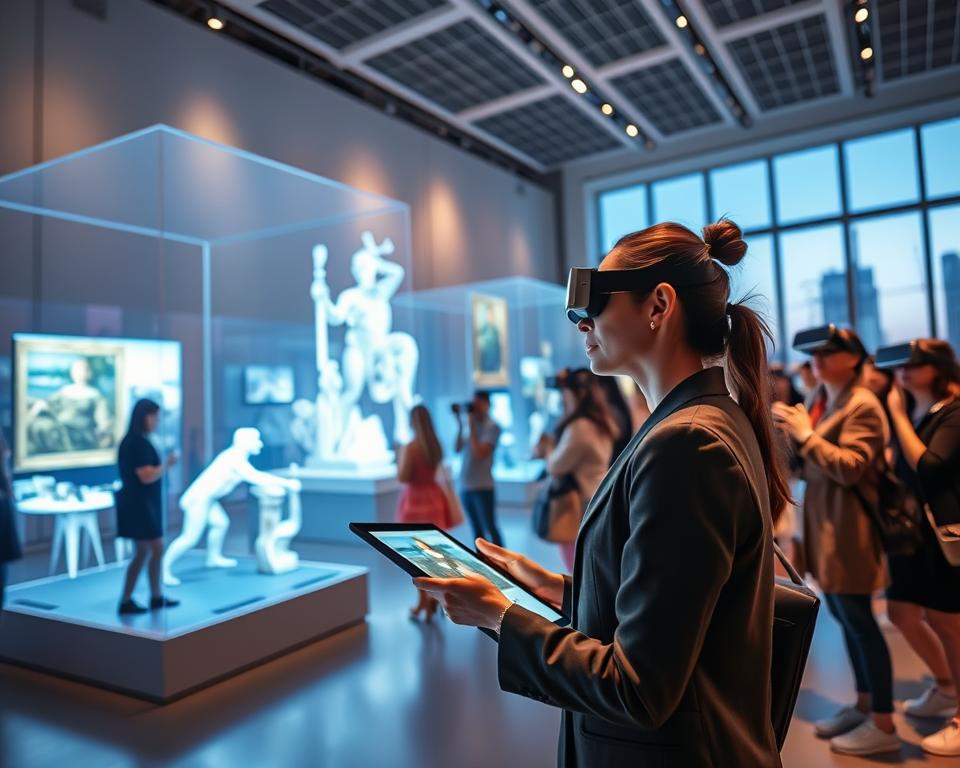
Virtual Reality (VR) is becoming more common in museums. It lets visitors dive into exhibits in a fun and interactive way.
Some museums use VR to bring history to life. For example, the Smithsonian uses VR to recreate historical scenes. This makes learning more exciting and engaging.
The Benefits of Visiting Virtual Museums
Virtual museums are changing how we see and interact with art and culture. They offer many benefits, making them popular with art lovers and learners.
Convenience and Accessibility
Virtual museums are easy to access from anywhere with an internet connection. This is great for those who can’t travel easily or live far from museums.
Key benefits of virtual museum accessibility include:
- 24/7 access to museum collections and exhibitions
- No need to worry about travel costs or time
- Ability to explore exhibits at my own pace
Educational Value and Learning Opportunities
Virtual museums are also great for learning. They provide lots of information about the art, like artist statements and historical context. Interactive features make learning fun and engaging.
| Educational Feature | Description | Benefit |
|---|---|---|
| Artist Statements | Insights into the artist’s inspiration and creative process | Deeper understanding of the artwork |
| Historical Context | Information about the time period and cultural background of the artwork | Better appreciation of the artwork’s significance |
| Interactive Features | Engaging elements such as videos, audios, and quizzes | Enhanced engagement and retention |
Inspiring Creativity and Imagination
Virtual museums can spark creativity and imagination. By seeing many artworks, I can get new ideas and perspectives. Virtual reality tours make this experience even more immersive.
The mix of art, technology, and interactivity can lead to new artistic expressions and appreciation.
Unique Features of Virtual Museum Tours
Exploring virtual museums is exciting. They offer new ways to see art. Now, we can enjoy interactive and immersive experiences online.
Interactive Exhibits and Features
Interactive exhibits stand out in virtual tours. You can see 360-degree views of artifacts. There are also games and quizzes to test your art history knowledge.
Some museums even offer virtual reality. It lets you step into historical scenes or explore exhibits in a new way.
Interactive features include:
- Virtual scavenger hunts through the museum’s collections
- Interactive timelines for historical context
- Games and puzzles to make learning fun
Multimedia Presentations
Multimedia presentations are key in virtual tours. They use audio guides, videos, and interactive presentations. This variety helps everyone learn in their own way.
Here’s a table showing how museums use multimedia:
| Museum | Type of Media | Description |
|---|---|---|
| The Louvre | Audio Guides | Detailed audio commentary on famous works like the Mona Lisa |
| The British Museum | Interactive Videos | Videos that explore the history and significance of artifacts |
| The Smithsonian | Virtual Tours | 360-degree tours of exhibitions and galleries |
Guided Tours vs. Self-Guided Exploration
Virtual tours let you choose between guided and self-guided options. Guided tours offer insights, while self-guided lets you explore at your pace.
“The beauty of virtual museums lies in their ability to cater to different learning styles and preferences, making art more accessible to a wider audience.”
Virtual museum tours make online visits better. They’re engaging, interactive, and fun. Now, we can visit top museums from home.
Virtual Museums Around the World
Virtual museums have opened up a world of cultural diversity for me. I’m eager to explore museums from all over. Each one offers something unique.
Exploring Cultural Heritage – Virtual museums let me see the cultural heritage of many countries. I can learn about different art, history, and traditions. Marilyn Stokstad, a famous art historian, once said, “Art is a universal language that can bridge cultures and time.”
“The museum is a place where one can experience the beauty of art and the richness of culture.”
European Gems: A Cultural Expedition
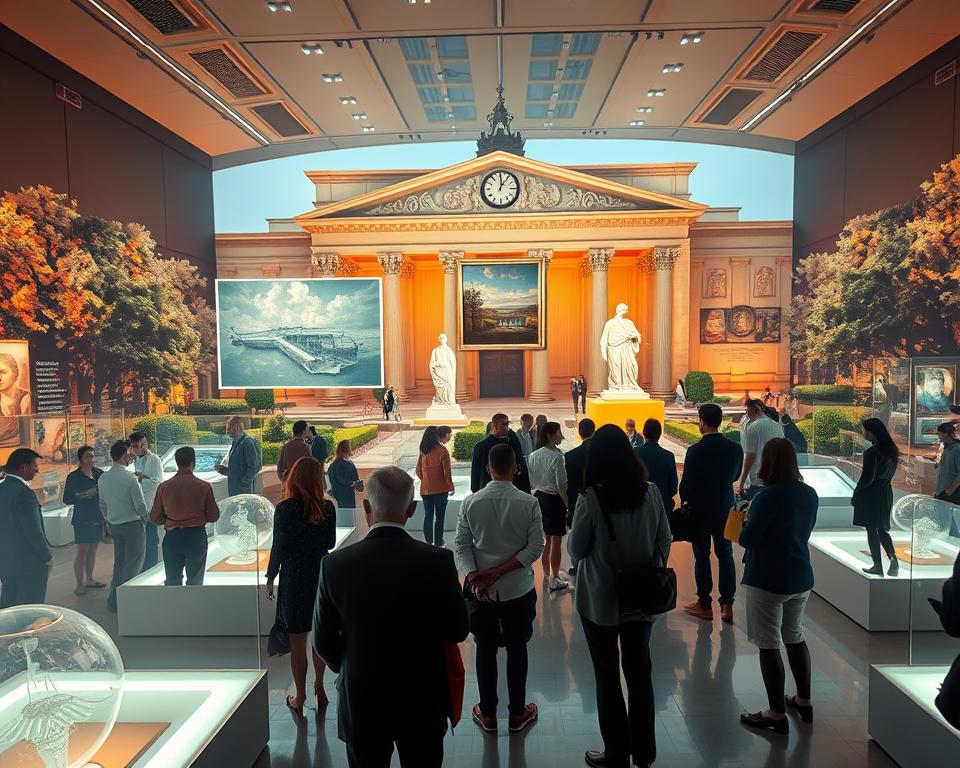
European museums are filled with art and history. The Uffizi Gallery in Florence, Italy, is a treasure. It has a huge collection of Renaissance art. I can see works by Botticelli, Michelangelo, and Leonardo da Vinci up close.
Asian Art: Unique Offerings in Virtual Format
Asian museums showcase a wide range of art and cultural artifacts. The Tokyo National Museum in Japan is a great example. It has ancient pottery, samurai armor, and detailed woodblock prints.
American Cultural Institutions
American museums are also online. The Smithsonian Institution in Washington, D.C., is a top choice. It has exhibits on American history, science, and culture. I can see the First Ladies’ Inaugural Gowns and the Wright Brothers’ Flyer.
Exploring these virtual museums helps me understand the world’s cultural diversity. I appreciate the richness of art and culture more. I’m excited to find more treasures as I continue my journey.
Tips for Maximizing My Virtual Museum Experience
To enjoy virtual museum tours fully, create an immersive experience at home. This way, you can better engage with online exhibits and virtual reality tours.
Setting the Right Mood at Home
Creating the right atmosphere is key for a great virtual museum experience. Dimming the lights and using comfortable seating helps you relax and focus. Soft background music that matches the exhibit’s mood can also enhance the experience.
Taking Notes and Engaging with Art
Writing down your thoughts while exploring virtual museums can greatly improve your learning. Jot down your observations about the artworks. Ask yourself questions like “What is the artist trying to convey?” or “What emotions does this piece evoke?” This active engagement will deepen your appreciation of the art.
| Tips for Engagement | Benefits |
|---|---|
| Taking detailed notes | Enhances memory retention |
| Asking questions about the art | Encourages critical thinking |
| Sharing your thoughts with others | Fosters discussion and new insights |
Sharing Experiences with Friends
Sharing your virtual museum experiences with friends can make your visit even more enjoyable. You can discuss your favorite pieces and learn from others’ perspectives. This social aspect can lead to meaningful conversations and new insights.
By following these tips, you can make the most of your virtual museum experience. Enjoy the rich cultural heritage available through online exhibits and virtual reality tours.
Future of Virtual Museums
The future of virtual museums is exciting. It will change how we see art and culture online. New tech, making everyone feel welcome, and saving culture will lead this change.
Technological Advancements on the Horizon
New tech like Virtual Reality (VR) and Augmented Reality (AR) will shape virtual museums. These tools will let visitors dive into exhibits in new ways. It will be more fun and interactive.
- VR will let us explore digital galleries deeper.
- AR will make exhibits come alive, adding more info.
- It will be easier to find new art and artifacts.
Inclusivity in Digital Spaces
Inclusivity is key for virtual museums. Digital tech lets museums reach more people. This includes those who can’t visit in person.
Here’s how to make digital spaces welcoming:
- Offer support in many languages.
- Make sure digital spaces are for everyone, including those with disabilities.
- Have different ways for people to learn and interact.
Role of Virtual Museums in Cultural Preservation
Virtual museums help save cultural treasures. They digitize artifacts and share them online. This protects them from damage or loss.
The good things about virtual museums for saving culture are:
- Global accessibility: Art and artifacts are for everyone to see.
- Conservation: Digital copies protect fragile items.
- Education: They teach us about cultural heritage.
Conclusion: Embracing the Virtual Museum Experience
As I wrap up my exploration of virtual museums, I’m amazed by the wide range of online exhibits. These digital spaces have not only expanded my knowledge but also deepened my appreciation for art and culture.
Discoveries and Insights
My virtual tours have given me a closer look at famous museums like the Louvre and the Smithsonian. The interactive exhibits and multimedia presentations have made art more fun and easy to understand.
Exploring Further
I urge others to check out the many virtual museums online. Discovering the joy of art in the digital age is a rewarding experience. With new tech coming, the future of virtual museums looks very promising.
A Bright Future
The growth of virtual museums is changing how we see art, making it more open and accessible. I’m excited to see what’s next in the world of virtual museums and online exhibits.