


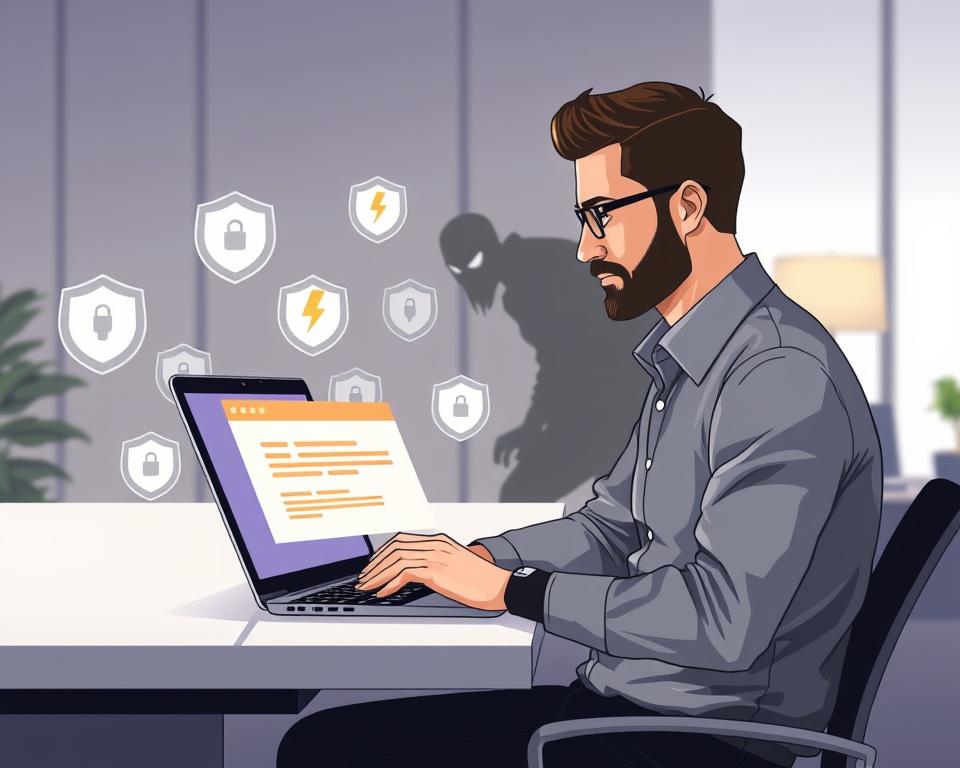
I’ve lost count of how many times I’ve found harmful websites online. It’s scary to think that millions get tricked by these threats every year. Many don’t even know they’re in danger.
After facing these threats myself, I’ve learned a lot. I know how to spot and steer clear of dangerous URLs. It’s all about being careful, aware, and using the right tools.
I want to share what I’ve learned with you. I hope it helps you stay safe online and avoid malicious links.
Key Takeaways
- Understanding the risks associated with harmful websites
- Learning how to identify dangerous URLs
- Discovering tools to help avoid malicious links
- Best practices for staying safe online
- Personal strategies for maintaining online security
Understanding What Malicious Links Are
To stay safe online, it’s key to know about malicious links. These links aim to harm or steal your device’s security. They can lead to big losses for you and your money. As I explore the web, learning about these links is vital for my safety.
Definition of Malicious Links
Malicious links, or harmful links, are URLs meant to harm, steal data, or break device security. They can be in emails, websites, or social media. This makes them a powerful tool for cybercriminals.
Common Types of Malicious Links
I’ve seen many types of malicious links. Here are a few:
- Phishing links that trick users into revealing sensitive information
- Drive-by downloads that automatically download malware onto a device
- Links to malware or ransomware that can compromise device security
Knowing about these malicious web addresses helps me spot dangers. It lets me take steps to stay safe.
The Importance of Recognizing Malicious Links
In today’s digital world, it’s vital to know how to spot malicious links. As I explore the internet, I’ve learned that identifying malicious links is key to keeping my digital life safe.

Malicious links can cause a lot of harm, from stealing personal info to costing money. By recognizing these links, I can lower the chance of getting scammed online.
Protecting Personal Information
Keeping personal info safe is a big reason to watch out for malicious links. Clicking on a bad link can expose sensitive data like passwords or financial details. To keep my info safe, I always check a link’s URL and make sure the site is real. For more tips, check out https://guardiandigital.com/email-security-tips/learn-about-malicious-links.
I also use antivirus software and keep my browser updated. This helps me stay protected from online threats.
Avoiding Financial Loss
Another reason to be careful with links is to avoid losing money. Cybercriminals use links to steal money or install malware. By being careful and verifying the authenticity of links, I can stay safe from financial scams.
Cybercriminals often use phishing emails and social media tricks. Knowing these tactics helps me stay alert online. By staying informed and taking steps to protect myself, I can avoid losing money to malicious links.
How Malicious Links Are Distributed
To stay safe online, it’s key to know how malicious links spread. These links are a big threat to our digital security. Knowing how they get around is vital for keeping ourselves safe.
Phishing Emails
Phishing emails are a common way to share malicious links. They pretend to be from trusted places like banks or big companies. This trickery aims to get victims to click on the links.
I once got a phishing email from a well-known online service. It asked me to check my account by clicking a link. But the email’s address didn’t match the company, and the link looked off.
Social Media Scams
Social media is also a place where malicious links are spread. Scammers use fake messages or posts to get people to click on harmful links. They promise things like great deals or urgent alerts.
A recent report showed that social media is now a top way to share malicious URLs. It’s even more common than email attachments.
Unsafe Websites
Some websites might have malicious links or malware. These sites might look real or be fake versions of safe sites. You might not even know you’re downloading something bad.
To understand how these links spread, let’s compare the ways they’re shared:
| Distribution Channel | Common Tactics | Risk Level |
|---|---|---|
| Phishing Emails | Masquerading as legitimate emails, urgent calls to action | High |
| Social Media Scams | Convincing messages, enticing offers | Medium-High |
| Unsafe Websites | Hosting malware, malicious scripts | High |
Knowing about these ways to spread malicious links helps us protect ourselves online. Stay alert and keep your digital world safe.
Tools I Use to Identify Malicious Links
To keep my online activities safe, I use a mix of tools to spot malicious links. These tools are key in fighting cyber threats, adding a vital layer of protection.
First off, antivirus software is a key part of my defense. It guards against malware, viruses, and other dangers online. Regular scans help me find and remove harmful software I might not know about.
Antivirus Software
Antivirus software does more than just find viruses. It also stops them from harming my device. It includes features like firewalls, email scans, and phishing protection. For example, if I get an email with a dodgy link, my antivirus warns me, helping me stay safe.
Browser Extensions
I also rely on browser extensions for extra security. These extensions block bad sites, alert me to suspicious links, and offer extra features like password management. A favorite of mine flags risky websites, alerting me before I click.
Link Scanners
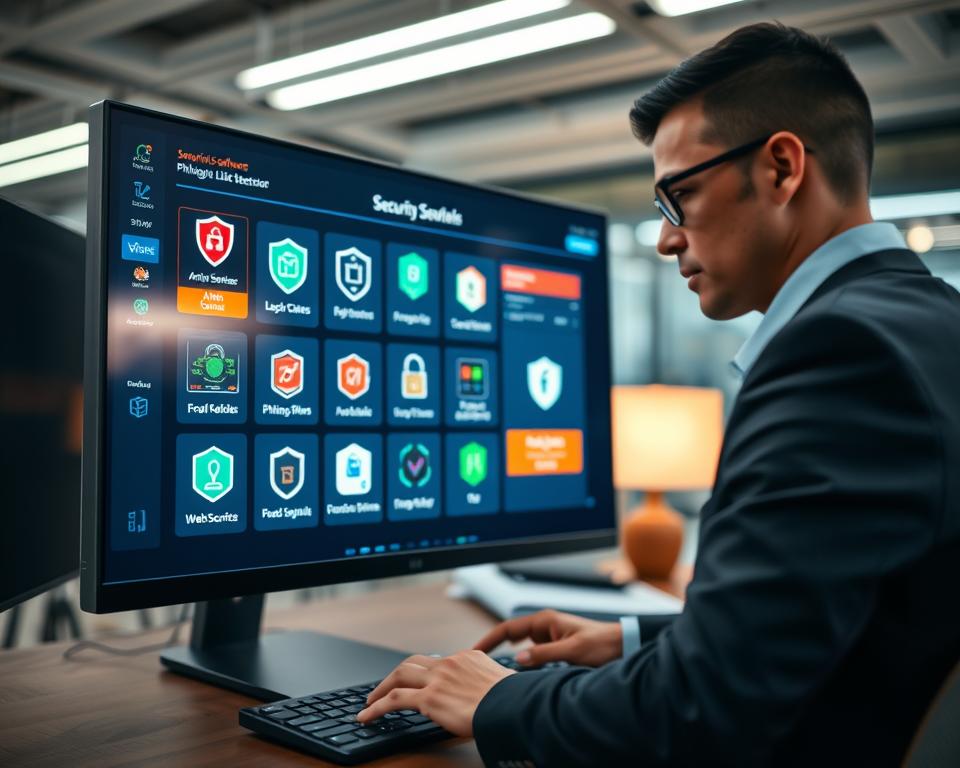
Link scanners are another important tool for me. They check URLs for safety before I click. By looking at a link’s reputation and scanning for malware, they add extra protection against harmful websites. This is super helpful when I’m exploring new sites or getting links from people I don’t know.
By using antivirus software, browser extensions, and link scanners together, I greatly lower the risk of getting caught by malicious links. Keeping safe online needs a variety of strategies, and these tools are key to my approach.
My Process for Evaluating Links
To avoid falling prey to malicious hyperlinks, I have developed a systematic evaluation method. This method helps me determine whether a link is safe to click.
Checking the URL
The first step in my link evaluation process is to carefully examine the URL. I look for any suspicious characters, misspellings, or unusual patterns. These could indicate a dangerous URL.
For instance, a legitimate URL typically has a clear and recognizable domain name. On the other hand, a malicious URL might contain random characters or misspellings of well-known brand names.
Analyzing the Link’s Source
Next, I analyze the link’s source to ensure it’s from a trusted sender or website. If the link is received via email, I check if the sender is someone I know. I also verify if the email address seems legitimate.
For links found on websites, I assess the credibility of the site. I look for signs of authenticity, such as HTTPS encryption and a clear privacy policy.
Looking for Red Flags
Lastly, I look for red flags that could signify a malicious link. These include urgent or threatening messages. They are designed to pressure me into clicking without caution.
I also watch out for links that promise unrealistic benefits or ask for sensitive information. By being vigilant and recognizing these warning signs, I can significantly reduce the risk of encountering malicious hyperlinks.
Safe Browsing Practices I Follow
I’ve learned safe browsing habits over time. These habits protect my online identity and data. They’ve become second nature to me.
Using HTTPS Websites
Checking if websites use HTTPS is simple but effective. The padlock icon in the address bar means the connection is secure. This makes it hard for hackers to get my data.
HTTPS is key for website security. It’s a basic but important step. When a site uses HTTPS, my data is encrypted. This lowers the risk of data theft.
Keeping My Software Updated
Updating my software is critical. Updates often fix security holes that hackers could use. This includes my operating system, browser, and antivirus software. Staying updated helps me avoid known vulnerabilities.
- Regularly check for updates for my operating system.
- Keep my browser and its extensions up to date.
- Ensure my antivirus software is updated and running scans regularly.
Disabling Pop-Ups
Disabling pop-ups is easy and helps avoid threats. Pop-ups can trick users into clicking on bad links or downloading malware. By turning them off, I lower the risk of encountering these dangers.
| Practice | Benefit |
|---|---|
| Using HTTPS websites | Ensures encrypted connection, protecting data |
| Keeping software updated | Fixes security vulnerabilities, reducing risk |
| Disabling pop-ups | Avoids potentially malicious content |
By sticking to these safe browsing practices, I lower my risk of encountering malicious web addresses. This improves my online security a lot.
How to Report Malicious Links
It’s important to know how to report malicious links to keep the internet safe. Reporting these links helps protect not just me, but also others from cyber threats.
Reporting to My Email Provider
If I get an email with a suspicious link, I report it to my email provider. This helps them block similar threats in the future. Most email services make it easy to report such emails.
For example, Gmail lets me report phishing emails by clicking “More” and then “Report phishing.” This action helps improve email security for everyone.
Informing Social Media Platforms
Social media platforms are also common places for malicious links. If I find a suspicious link on social media, I report it to the platform’s admins.
Facebook, for instance, lets users report suspicious content by clicking the three dots next to the post and choosing “Report post.” This helps remove harmful content and protect others.
Submitting to Cybersecurity Agencies
I also report malicious links to cybersecurity agencies. These groups work to fight cyber threats on a large scale.
The Anti-Phishing Working Group (APWG) is a global coalition that accepts phishing attack reports. Reporting to such agencies helps in the global fight against cyber threats.
| Platform | Reporting Method | Benefit |
|---|---|---|
| Email Providers | Report suspicious emails | Enhances email security |
| Social Media | Report suspicious posts | Removes harmful content |
| Cybersecurity Agencies | Submit reports on phishing attacks | Contributes to global cyber threat mitigation |
By following these steps, I help make the internet safer for everyone.
Learning from Past Mistakes
I’ve had a few close calls with malicious links. These experiences have taught me a lot about staying safe online.
They’ve made me more aware of the dangers online. I’ve also learned how to spot and avoid harmful links.
Examples of My Close Calls
One time, I got a phishing email that looked like it was from my bank. It had a link that could have stolen my account info.
I was lucky to spot some warning signs. The email’s greeting was too generic, and the URL was off. Here’s what I noticed:
- The email didn’t address me by name.
- The URL looked similar to my bank’s but was slightly off.
- The email tried to rush me into action, trying to scare me into clicking.
Key Takeaways from My Experiences
My run-ins with malicious links taught me to be careful and check online content’s authenticity. Here’s what I learned:
- Always check the URL for any oddities or typos.
- Be cautious of emails or messages that try to rush you.
- Use antivirus software and keep it current to fight off new threats.
By sharing my stories, I hope to help others stay safe online. I want to make the internet a safer place for everyone.
Sharing Awareness with Others
I’ve learned that teaching others about malicious hyperlinks is key to a safer online world. By sharing what I know, I help others steer clear of online dangers.
Educating Friends and Family
Talking to my friends and family about online scams is very effective. I share practical tips on spotting and avoiding bad links. For example, I show them how to check URLs for odd characters or use antivirus for malicious link removal.
- Share articles and news about recent cyberattacks.
- Demonstrate how to use security tools and browser extensions.
- Encourage them to be cautious with emails and messages from unknown senders.
Creating Informative Posts on Social Media
I also use social media to spread the word. By posting helpful tips, I reach more people and help keep the internet safer. My posts often include simple, actionable advice like checking links before clicking.
- Use engaging visuals and clear, concise language.
- Share personal anecdotes of close calls with malicious links.
- Provide resources for further learning, such as trusted cybersecurity blogs.
By teaching others and using social media, I help fight against malicious hyperlinks. It’s a big job, but it’s vital in our digital world.
Resources for Staying Informed
Keeping up with new threats is key. I use many sources to stay informed about website security. This helps me spot malicious links better.
Trusted Cybersecurity Blogs
Reputable cybersecurity blogs share the latest on threats and how to protect against them. They offer expert views and examples. This keeps me updated on spotting malicious links.
Online Courses and Webinars
Online courses and webinars teach me about cybercriminal tactics and how to fight them. They cover many topics related to website security. This knowledge helps me stay safe online.
Community Forums and Support Groups
Being part of forums and support groups connects me with others who face similar issues. We share tips, ask questions, and learn together. This boosts my skills in avoiding malicious links.